Why Integrated Web Marketing Wins in 2026

It feels like every year, marketing advice changes. Remember when everyone was all about short-form video? Or when SEO was just about stuffing keywords? Now, in 2026, it’s clear that just running a few ads or posting on social media isn't enough. Brands that are actually getting noticed and making sales are the ones that feel the same everywhere you find them. It’s less about shouting the loudest and more about being a consistent, trustworthy presence. This shift means we need to rethink how we connect with people, moving beyond just individual campaigns and thinking about the whole picture. Even top website designs need to fit into this bigger strategy.
Key Takeaways
- Marketing is shifting from separate campaigns to connected systems, focusing on customer journeys rather than just one-off efforts. Success is measured by overall impact, not just individual wins.
- Brand continuity is the next step beyond integrated marketing. It means making sure every single interaction a customer has with your brand feels like part of one ongoing story, not a bunch of separate messages.
- Content is now the backbone of marketing, not just something you produce. It helps with search visibility, powers ads, and builds your brand's voice and reputation across all platforms.
- Trust is built through consistent signals and credibility, especially as AI plays a bigger role in finding information. Brands need to show they are reliable everywhere, not just in one place.
- Aligning paid and organic efforts is vital. When messaging is coherent across all channels, customers have a better experience, and marketing investments work harder together.
The Shift From Campaigns To Ecosystems
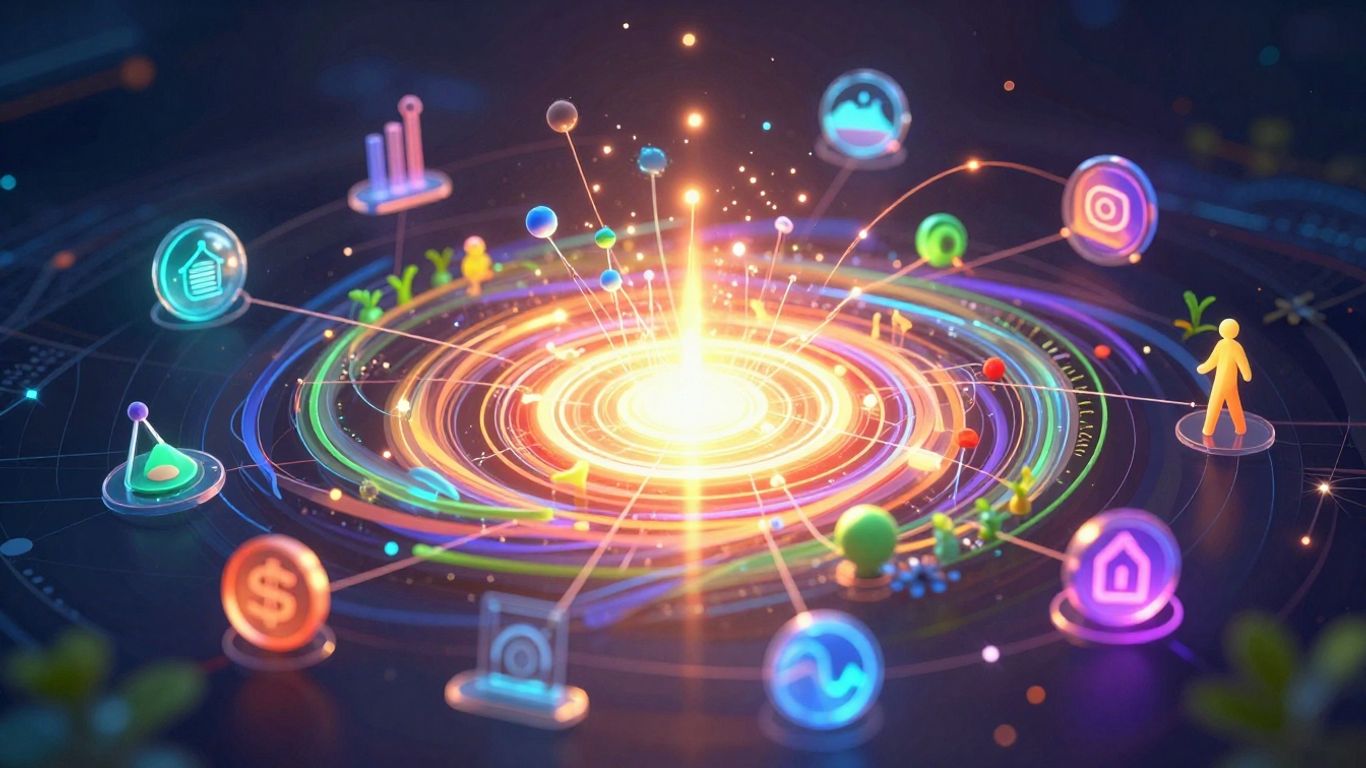
Forget about those one-off marketing pushes. We're moving past the idea of campaigns as isolated events. Think of it more like building a whole system, an ecosystem, where everything works together. It’s a big change from how things used to be done.
Rethinking Marketing Beyond Isolated Efforts
For a long time, marketing was all about the next big campaign. You'd launch something, measure its immediate results, and then move on to the next. But that approach just doesn't cut it anymore. Buyers don't experience brands in single bursts; they interact over time, across different places. Brands that win now build connections, not just temporary buzz. It’s about creating a consistent presence that buyers encounter repeatedly, whether they're scrolling social media, searching online, or reading an email. This means we have to look at our marketing efforts differently, seeing them as parts of a larger whole rather than separate projects. It’s a shift from thinking about what we want to say to understanding what the buyer needs to know at each step.
Designing Customer Journeys, Not Just Campaigns
Instead of asking, "What's our message this month?" the question becomes, "What does the customer understand about us at each stage of their decision-making process?" This journey-focused mindset changes everything. Every interaction, from a social media ad to a follow-up email, becomes a chance to reinforce the brand's story. It’s about orchestrating these touchpoints so they flow logically, guiding the customer from initial interest to a final decision. This requires a deep look at how people actually move through their research and buying phases, which often involves AI tools and cross-referencing information.
Measuring Cumulative Impact Over Single Wins
So, how do we know if this new approach is working? We stop obsessing over which single channel "won" and start looking at the overall picture. Metrics like customer lifetime value and overall brand demand become more important than just tracking a single click or conversion. It’s about the long-term effect, the cumulative impact of all those consistent signals. This is where understanding the buyer's behavior, not just their demographics, really comes into play. We need to see how all the pieces fit together to move the business forward. For businesses looking to improve their long-term visibility and reduce acquisition costs, focusing on organic search is a smart move.
Brand Amalgamation: The Next Evolution
Beyond Integrated Marketing Communications
For a long time, we talked about "integrated marketing communications." It meant making sure your logo looked the same everywhere and your main message didn't change from one ad to the next. Think consistent colors, consistent taglines, the whole deal. That was the goal. But honestly, that's not really enough anymore. Buyers don't just see one ad and then buy. They bounce around. They see a social post, then maybe a search result, then an email, then maybe they visit your site. It's a whole experience, not just a bunch of separate ads. The real win now is making sure that entire experience feels like one continuous story. It's not just about being consistent; it's about creating a brand that feels whole, no matter where someone encounters it.
Ensuring Continuity Across Every Touchpoint
This is where "brand amalgamation" comes in. It's the next step. It means every single point where a customer interacts with your brand needs to feel connected. From the first time they see a social media ad to the moment they walk into a sales office, it should all feel like part of the same conversation. If your social media talks about a certain lifestyle, your emails should reinforce that, your website should reflect it, and even the person showing them around a model home should be on the same page. When these touchpoints feel disconnected, even in small ways, it can make buyers hesitate. They start to wonder if they can really trust the brand.
Here's how that continuity plays out:
- Discovery: Social media posts, short videos, digital ads – they all need to hint at the bigger picture.
- Research: What shows up in search results, on your website, or in AI summaries should align with your core message.
- Validation: Emails, customer reviews, and follow-up communications should build on that initial impression.
- Experience: The actual interaction, like visiting a property or talking to sales, must feel like a natural continuation of everything else.
Meeting Evolving Buyer Expectations
Buyers today are different. They're doing more homework. They're more careful about where they spend their money, especially on big purchases. They want to understand the whole package, not just the product itself. They're looking at the long-term lifestyle, the community, the overall vision. If your marketing only focuses on the transaction – "buy this house" – you're missing a huge opportunity. You're not showing them the full value. Brands that are getting this right are talking about more than just the bricks and mortar. They're talking about the aspirations, the dreams, the kind of life people want to live. When that perspective shows up everywhere, from a quick social caption to a detailed email, the brand stops sounding like just a seller and starts sounding like a creator of experiences. That's what people are looking for now.
Content As The Connective Tissue
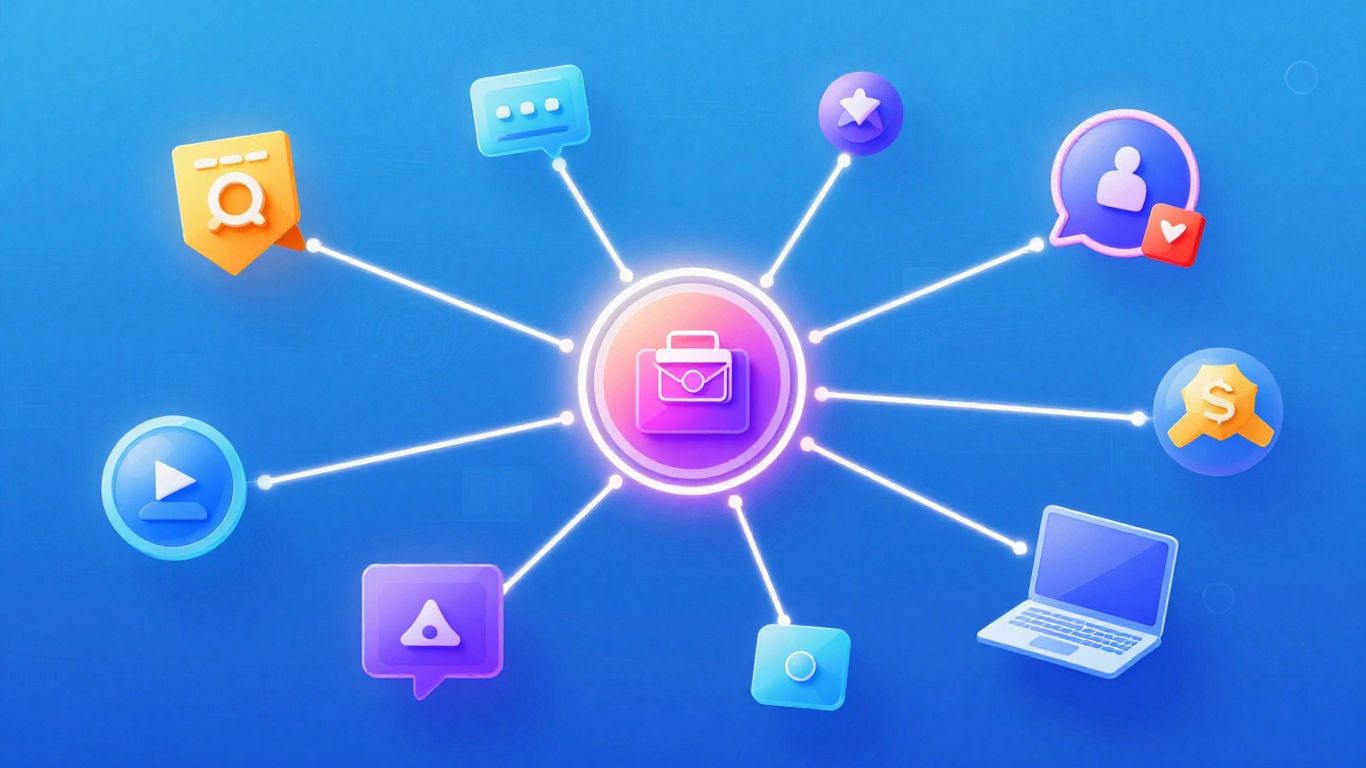
Content as Infrastructure, Not Just Output
Forget thinking of content as just a blog post here or a video there. In 2026, the brands that are really winning see content as the actual foundation of their entire marketing setup. It’s not just something you produce; it’s what everything else is built upon. This infrastructure fuels your search engine visibility, gives your paid ads something solid to work with, and educates people who are just starting to look around. It’s the backbone that carries your brand’s personality and know-how everywhere, even when you’re not directly talking to someone.
Fueling Search Visibility and Paid Media
When content is treated as infrastructure, it naturally supports both organic search and paid campaigns. Think about it: well-structured, informative content helps search engines understand what you’re about, making you easier to find. This same content can then be repurposed or referenced in your paid ads, making them more effective because they’re not starting from scratch. It’s about making sure that when someone clicks an ad or finds you through search, they land on something that makes sense and builds on what they were looking for. This approach helps create a more cohesive experience, moving away from just throwing money at ads and hoping for the best. It’s about making sure your paid efforts have a strong, relevant place to send people, which is key for building brand authority.
Reinforcing Brand Voice and Authority
This consistent presence across different platforms is what really builds trust. If your brand sounds like one thing on social media, another in an email, and something completely different on your website, people notice. It feels disjointed. But when your content consistently reflects your brand’s unique voice and perspective, it starts to build a reputation. People begin to see you as a reliable source, not just another advertiser. This is how you build real authority in today’s market, where people are looking for genuine signals rather than just loud claims. It’s about making sure every piece of content, no matter where it appears, adds to the same story about who you are and what you stand for.
Authority In The New Trust Economy
Inferred Authority Over Explicit Claims
Forget shouting the loudest. In 2026, what really matters is what people think about your brand, often before they even click on anything. AI tools are getting smarter, and they're not just looking at keywords anymore. They're looking at who's talking about you, what they're saying, and how often you pop up in places that seem legit. It’s like word-of-mouth, but on a massive, digital scale. Your brand's authority is built bit by bit, through consistent signals across the board, not just in one big ad push.
AI Prioritization of Credible Sources
Think about how you use search engines or AI assistants. You probably trust the first few results, right? AI is doing the same thing, but with a much wider net. It's scanning for patterns of credibility. This means that if your brand is consistently mentioned in reputable industry articles, if experts in your field reference your work, or if your content is deep and helpful, AI will notice. It’s not about paying for placement; it’s about earning it through genuine value and consistent presence. This shift means PR and thought leadership aren't just nice-to-haves; they're becoming core to how your brand is perceived by both people and machines.
Building Trust Through Consistent Signals
So, how do you actually build this inferred authority? It’s about making sure everything you do sends the same message. Your social media posts, your blog articles, your customer service interactions, even how your paid ads are worded – it all needs to line up. When these signals are consistent, they create a picture of a reliable, knowledgeable brand. If one channel says one thing and another says something completely different, people (and AI) get confused. It’s like trying to build a house with mismatched bricks; it just won’t hold up.
Here’s a quick look at how different signals contribute:
| Signal Type | Example |
|---|---|
| Third-Party Mentions | Industry awards, news articles, expert reviews |
| Content Depth | Detailed guides, original research, case studies |
| Engagement Patterns | Consistent social media interaction, community participation |
| Brand Consistency | Uniform messaging across all platforms |
The real challenge isn't just creating content; it's ensuring that content, and all other brand interactions, work together to build a unified perception of trustworthiness. This cumulative effect is what AI and consumers alike are increasingly relying on to make decisions.
The Power Of Coherent Messaging
Aligning Paid and Organic Efforts
Think about it: you see a slick ad on social media, click through, and land on a page that feels totally different. Or maybe you find a great article through search, but the brand’s website talks about something else entirely. That’s where things start to go wrong. Paid ads can get people to your digital doorstep fast, and organic content builds up trust over time. When they work together, it’s like a well-oiled machine. But if the message isn't the same, or if the follow-up doesn't match the initial hook, you lose people. It’s not about just balancing paid and organic; it’s about making sure they speak the same language.
Avoiding Disconnected Customer Experiences
Customers don't see marketing as separate boxes like we do. They see one brand. If your email campaign promises one thing and a social media post says another, it’s confusing. This disconnect makes people question what you’re really about. It’s like having a conversation where one person is talking about apples and the other about oranges – nobody gets the full picture. A consistent message across all channels builds confidence and makes the customer’s journey feel smooth and logical.
The Risk of Siloed Marketing Activities
When marketing teams work in isolation, it’s easy for messages to drift apart. The social media team might be focused on one trend, while the email team is pushing a different promotion. This creates a fragmented experience for the customer. They might see your brand in five different ways in a single afternoon, and if those messages don't add up, it weakens the overall impact. It’s better to think of your brand as a story that unfolds, not a series of disconnected ads.
The goal isn't just to be consistent; it's to be coherent. Every piece of communication, from a paid ad to a blog post to a customer service interaction, should reinforce the same core idea about your brand. This builds a stronger, more trustworthy presence.
Here’s a quick look at how different activities can either clash or connect:
| Activity Type | Potential Disconnect | Coherent Approach |
|---|---|---|
| Paid Ad | Promising a discount not mentioned on landing page | Ad leads to a landing page that clearly states the offer |
| Organic Blog Post | Discussing a product feature not highlighted in email campaigns | Blog post content is referenced or expanded upon in relevant email sequences |
| Social Media Update | Announcing a new service without website or email support | Social post directs users to a webpage with full details and encourages email sign-ups for updates |
Contextual Nuance In Audience Engagement
Behavior Over Demographics
Forget just looking at age and location. People are way more complex than that these days. What someone does is a much better clue to what they need than just who they are on paper. Think about it: someone scrolling through social media at 10 AM on their phone is probably in a different headspace than someone researching on their laptop at 8 PM. The old way of just targeting broad groups feels… well, a bit lazy now. We need to pay attention to the context of their interaction. Are they just browsing, or are they actively looking to buy something? This shift means we have to get smarter about how we talk to people.
Respecting Nuance in Channel Roles
It’s not about making every single marketing channel do the same thing. That’s like asking a hammer to also be a screwdriver. Instead, we need to figure out what each channel is best at and use it for that specific job within the bigger picture. Paid ads might be great for getting attention fast, but maybe email is better for building a relationship over time. The key is making sure they all work together, not against each other. This is where a well-designed website really shines, acting as a central hub that different channels can point to, each serving a specific purpose in the customer's journey.
Sophistication Replacing Mere Scale
We used to think bigger was always better, right? More ads, more posts, more reach. But now, it’s about being smarter, not just louder. It’s about understanding the subtle cues people give off. Are they clicking on a specific type of ad? Are they spending more time on certain pages of your site? This kind of detailed observation helps us tailor messages more precisely. It’s less about shouting at everyone and more about having a meaningful conversation with the right people at the right time. This approach builds real connections, not just fleeting impressions.
The customer journey isn't a straight line anymore. People jump between platforms, pause their research, and come back later. Our marketing needs to be flexible enough to follow them, offering relevant information at each step without feeling intrusive or repetitive. It's about being present and helpful, wherever they are in their process.
Here’s a quick look at how channel roles can differ:
- Discovery: Social media, display ads, initial search results.
- Consideration: Detailed blog posts, comparison guides, webinars, email nurture sequences.
- Decision: Product pages, case studies, testimonials, direct sales outreach.
- Retention: Post-purchase support emails, loyalty programs, community forums.
Leveraging Direct Channels For Continuity
The Enduring Value of Email and SMS
Look, we all get a ton of emails and texts every day, right? It’s easy to think these direct channels are old news, maybe even a bit annoying. But here’s the thing: they’re still incredibly powerful, especially now. When used as part of a bigger plan, email and SMS are gold for keeping things connected. They’re not just for sending out blasts anymore. Think of them as the threads that tie all those other marketing efforts together, making sure the customer doesn't feel lost.
Providing Continuity Across Fragmented Journeys
People don't just see one ad and buy. Their path to making a decision is all over the place these days. They might see a social post, then search for more info, then get an email, then see a retargeting ad. It’s a mess if you’re not careful. That’s where direct channels shine. They can pick up where other things left off. Got someone interested from a paid ad? An email follow-up can give them more details without them having to search again. Saw a blog post? An SMS can remind them about a related offer. It’s about making sure the conversation doesn't stop just because they left one platform.
Accelerating Engagement as Part of an Ecosystem
Instead of just being another message in the inbox or on the phone, email and SMS become accelerators when they’re part of a connected system. They can take someone who’s just curious and move them closer to a decision. They reinforce what the customer is already thinking. It’s not about shouting louder; it’s about being there at the right moment with the right information, building on what’s already happened. This makes the whole marketing effort work better, not just these specific channels.
When these direct channels are just tacked on, they feel like spam. But when they’re built into the customer’s path, they feel helpful and timely. It’s the difference between a random interruption and a useful nudge.
Here’s a quick look at how they fit in:
- Initial Interest: A social ad or search result sparks curiosity.
- Information Gathering: The customer visits the website, reads content, maybe watches a video.
- Reinforcement: An email arrives with more details related to their interest, or an SMS confirms a download.
- Decision Support: Follow-up messages address common questions or highlight specific benefits.
- Conversion: The customer feels informed and ready to take the next step.
It’s all about making sure each step flows into the next, and email and SMS are key to making that happen smoothly.
Want to keep your business running smoothly? Using direct ways to connect with your customers is key. It helps you stay in touch and make sure things don't stop. Ready to learn how to do this for your business? Visit our website today to find out more!
The Takeaway: It's All Connected Now
So, looking ahead to 2026, it's pretty clear that just doing one thing well isn't going to cut it anymore. Brands that are really going to make waves are the ones that feel like a single, solid entity, no matter where you bump into them. Think about it – your social media, your website, those ads you see, even a simple email – they all need to tell the same story. It’s not about shouting the loudest on every platform. It’s about making sure everything works together, like a well-oiled machine. This isn't just a nice-to-have; it's pretty much the price of admission if you want to stay relevant. If you're feeling like your marketing is a bit scattered, maybe it's time to start thinking about how to tie it all together.
Frequently Asked Questions
What's the big change in marketing for 2026?
Instead of just running separate ads or social media posts, businesses need to make sure everything they do online works together. Think of it like a team where everyone has a role and helps each other out, instead of everyone trying to do their own thing. This makes the brand feel the same everywhere you see it.
Why is 'brand continuity' so important now?
People see your brand in lots of different places – like on social media, in search results, or in emails. If each place feels different, it can make people confused or less sure about trusting you. Brand continuity means making sure the look, feel, and message are the same everywhere, so it feels like one smooth experience.
How does content fit into this new marketing style?
Content, like blog posts or videos, isn't just something you create and forget. It's like the glue that holds everything together. Good content helps people find you on search engines, makes your ads work better, and shows that you know what you're talking about. It's the foundation for everything else.
What does 'authority' mean in marketing today?
It's not just about saying you're the best. Now, it's more about showing you're trustworthy and knowledgeable. This happens when other people or systems (like AI) see that you consistently share good information and have expertise. It's built over time by being reliable everywhere.
Why is it bad if my marketing efforts are separate or 'siloed'?
When different parts of your marketing (like ads and social media) don't talk to each other, it can confuse customers. They might click on an ad and then not find what they expected. This makes people less likely to buy from you and wastes money because your efforts aren't working together to build trust and guide them.
Are email and text messages still useful for marketing?
Yes, absolutely! Even though there are many new ways to reach people, direct messages like email and SMS are still super effective. They let you talk directly to people who have already shown interest. When used as part of a bigger plan, they help keep customers engaged and move them along their journey with your brand.


Comments
Post a Comment