How SEO Providers Improve Local Visibility in 2026
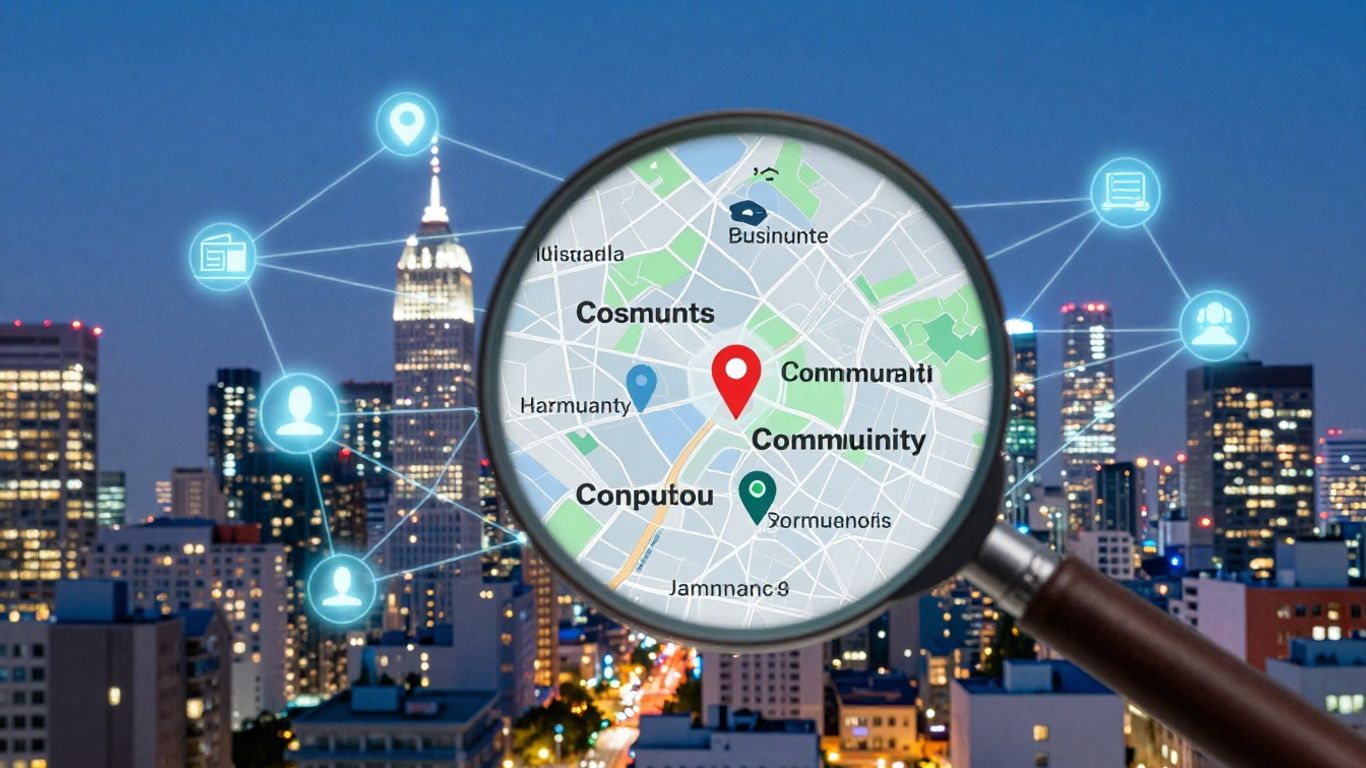
Getting your business seen by people nearby is super important these days, especially in 2026. It's not just about having a website anymore. Search engines, especially Google, are always changing how they show local businesses. This means you have to keep up. Luckily, there are smart ways to make sure customers find you when they need you. We'll look at how SEO marketing experts help businesses get noticed in their local area.
Key Takeaways
- Mastering your Google Business Profile is the first step to local success. Make sure all your info is correct and keep it updated.
- Creating content that talks about specific neighborhoods or local happenings makes your business more relevant to nearby searches.
- Keeping your business name, address, and phone number the same everywhere online builds trust and helps search engines trust you.
- With more people using phones and voice search, businesses need to be ready for these kinds of searches and for answers that don't require clicking a link.
- Real success isn't just about where you rank; it's about getting people to call, visit, or buy, and understanding how SEO marketing experts help achieve those business goals.
Mastering Google Business Profile For Local Dominance
Alright, let's talk about Google Business Profile, or GBP as most people call it. If you're trying to get noticed locally, this is your main stage. Think of it as your business's digital storefront on Google. Getting it right means more people in your area can actually find you when they're looking for what you offer.
Establishing Your Verified Local Presence
First things first, you absolutely need to claim and verify your Google Business Profile. This is how Google knows you're a real business at a real location (or serving a real area). Without verification, your profile might not show up at all, or it could be easily messed with. It's a pretty straightforward process, usually involving a postcard with a code sent to your business address, but sometimes it's a phone call or email. This verification is the bedrock of your local visibility. It tells Google you're legitimate and ready to be found.
Optimizing Core Business Information
Once verified, you've got to fill out all the details. And I mean all of them. This isn't just about your business name, address, and phone number (the NAP, as it's known). You need to pick the right categories – and there are primary and secondary ones, so choose wisely. Your business description should be clear and include keywords people might actually search for. Don't forget to list your services or products accurately, and keep your operating hours up-to-date, especially for holidays or special events. This information is what Google uses to match you with local searches. A complete profile looks good to Google and to potential customers.
Leveraging Engagement Signals for Activity
Just having a profile isn't enough; you need to make it active. Google notices when businesses interact with their profiles. This means regularly uploading new photos and videos – show off your work, your team, your space. Posting updates, special offers, or news keeps your profile fresh. Also, pay attention to the Q&A section; people will ask questions, and answering them promptly shows you're engaged and knowledgeable. Consistent activity signals to Google that your business is active and relevant, which can really help your ranking. It's like keeping your shop window tidy and updated; it attracts more attention.
Keeping your Google Business Profile current and active is more important than ever in 2026. It's not just a listing; it's a dynamic tool that directly influences how local customers find and interact with your business online. A neglected profile is a missed opportunity, plain and simple.
Here's a quick look at what keeps a profile active:
- Regularly adding high-quality photos and videos.
- Publishing posts about offers, events, or business updates.
- Monitoring and responding to questions in the Q&A section.
- Actively managing and responding to customer reviews (which we'll cover more later).
Think of these actions as building trust and showing Google you're a thriving business. It's all about making it easy for people to find you and get the information they need, right from the search results page. A well-managed profile can lead to more calls, more direction requests, and ultimately, more business. For businesses that don't have a physical storefront, like plumbers or electricians, correctly defining your service area is key. This tells Google where you operate and who you can serve. It's a bit different from a brick-and-mortar store, but just as vital for visibility. A solid GBP is the first step in making sure your business stands out in your local market. If your website isn't performing as well as you'd like, a website redesign might be in order to better support your local SEO efforts. This is a strategic move to turn your site into a revenue generator.
Cultivating Hyperlocal Relevance Through Content
Search engines want to show people the most relevant stuff, and for local searches, that means showing businesses that are actually in or serving that specific area. Generic content just doesn't cut it anymore. You need to get specific.
Developing Neighborhood-Specific Service Pages
Think about it: if you're a plumber in Chicago, you probably serve different neighborhoods like Lincoln Park, Wicker Park, and Hyde Park. Each of these areas might have slightly different needs or common problems. Instead of one "Plumbing Services" page for all of Chicago, create separate pages for each neighborhood. These pages should talk about the specific issues common in that area, maybe mention local landmarks, and use keywords people in that neighborhood would actually search for. This makes your site way more useful to someone looking for a plumber right now in their specific part of the city.
Creating Content Around Local Events and News
What's happening in your town or city? Are there local festivals, community clean-up days, or even just interesting local news stories? Writing about these things shows you're part of the community. For example, a local bakery could write a blog post about the best spots to get pies for the upcoming town fair, or a hardware store could post tips on preparing homes for a local storm season. This kind of content connects you to real people and real events, making your business seem more approachable and relevant. It's not just about selling; it's about being a good neighbor.
Building Topical Authority with Internal Linking
Once you've got all these great, specific pages and posts, you need to connect them. Internal linking is like building a roadmap on your website. If you have a page about "AC Repair in Summerhill" and another about "Emergency AC Service in Atlanta," you can link between them. This tells search engines that you're an expert on air conditioning services across the whole Atlanta area, not just one small part. It also helps people find more information on your site, keeping them engaged longer. A good internal linking strategy makes your whole website stronger and helps search engines understand what you're all about.
Building Trust Through Consistent Online Visibility
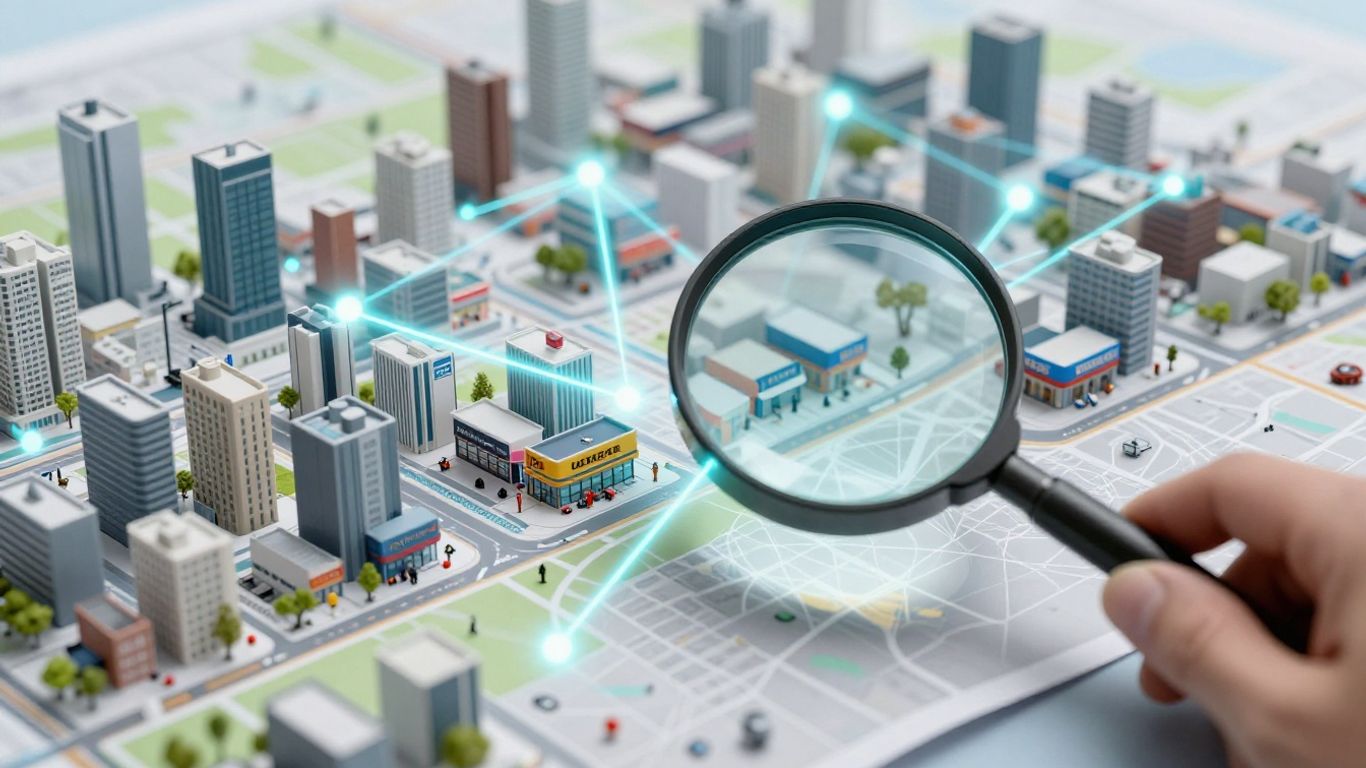
Think of your online presence like a digital storefront. If the signs are crooked, the address is wrong on one, and the phone number is different on another, people get confused. Search engines notice this too. Keeping your business information the same everywhere is super important for building trust. This consistency tells search engines and potential customers that your business is real and reliable.
Ensuring NAP Consistency Across Directories
Your business's Name, Address, and Phone number (NAP) are the basic building blocks of your local online identity. When these details are identical across all online platforms – from major directories like Yelp and Yellow Pages to niche industry sites – it creates a strong signal of legitimacy. Even small differences, like "St." versus "Street" or a missing suite number, can create doubt. SEO providers focus on auditing your existing listings and correcting any inconsistencies. This isn't just about looking neat; it directly impacts how search engines rank your business.
Here's a quick look at why it matters:
- Search Engine Trust: Consistent NAP data helps search engines confidently associate listings with your business.
- User Experience: Customers can find and contact you easily without frustration.
- Ranking Signals: Inconsistencies can dilute your local ranking signals, pushing you down in search results.
Managing Online Reviews and Reputation
Online reviews are basically digital word-of-mouth, and they carry a lot of weight in 2026. People check reviews before they decide where to spend their money, and search engines use them to gauge your business's trustworthiness and customer satisfaction. A proactive approach to managing reviews is key. This means encouraging happy customers to leave feedback and, just as importantly, responding thoughtfully to all reviews, both good and bad.
A solid review strategy involves actively seeking feedback from satisfied customers, responding professionally to every comment, and showing that you care about customer experiences. This builds a positive reputation that search engines and potential customers can see.
Strengthening Local Authority with Citations
Citations are mentions of your business's NAP information on other websites. Think of them as votes of confidence for your business. Beyond the big directories, getting listed on local community sites, industry-specific platforms, and business associations further solidifies your local presence. SEO experts identify relevant citation opportunities and work to get your business listed accurately. This builds what's called 'local authority,' making your business appear more established and credible within your specific geographic area. It’s about being seen in the right places, consistently.
Adapting To Evolving Search Behavior
Search engines are changing, and how people look for things online is changing with them. It's not just about typing keywords anymore. Think about how you use your phone to find a place to eat or a service you need right now. Many people are using voice commands, asking questions like, "What's a good pizza place near me?" or "Find a plumber open now." This means your online presence needs to sound natural and conversational, just like a real person talking.
Optimizing for Mobile-First and Voice Queries
If your website isn't easy to use on a phone, you're already behind. Most searches happen on mobile devices these days. So, make sure your site loads fast, looks good on small screens, and has clear contact information. When people use voice search, they often ask longer, more specific questions. Your content should match this. Instead of just
Measuring Success Beyond Rankings
Look, we all want to see our website climbing up the search results, right? It feels good. But in 2026, just chasing those top spots isn't the whole story anymore. What really matters is what happens after someone finds you. Are they actually doing what you want them to do? That's where measuring the right things comes in.
Tracking Key Local Performance Indicators
Instead of just looking at where you rank for a keyword, we need to see how people are interacting with your business online. Think about it: a high ranking is great, but if no one calls or visits, what's the point? We're talking about metrics that actually show your business is growing.
Here are some of the important ones:
- Phone Calls from Search: How many people are hitting that call button directly from your Google Business Profile or website listing?
- Direction Requests: For brick-and-mortar places, how many users are asking for directions to your location?
- Website Engagement: How long are people staying on your site? Are they clicking around or bouncing off immediately?
- Review Growth and Sentiment: Are you getting more reviews? What are people saying? Positive reviews build trust.
- Local Pack Visibility: While not the only metric, seeing if you appear in those coveted local map packs is still a good indicator of visibility.
Optimizing for Conversions and Business Outcomes
Okay, so you're seeing some activity. Now, how do we make sure that activity turns into actual business? This is all about making it super easy for potential customers to take the next step. If your website or listing makes it hard to book an appointment or find your phone number, you're losing people.
We need to look at:
- Click-to-Call Buttons: Are they prominent and working on mobile?
- Booking/Appointment Flows: Is the process smooth and quick, or are there too many steps?
- Contact Forms: Are they easy to find and fill out?
- Clear Calls-to-Action (CTAs): Does your site clearly tell people what you want them to do next?
The goal is to turn online visibility into real-world actions that benefit your business. It's about making the customer journey as frictionless as possible from the first click to the final conversion.
Analyzing the Impact of SEO Marketing Experts
This is where you see the real value of hiring professionals. They don't just set things up and walk away. They're constantly looking at this data – the calls, the direction requests, the conversions – and figuring out what's working and what's not. They can spot trends you might miss and adjust the strategy accordingly. It's about understanding how the SEO efforts are directly contributing to your bottom line, not just your search engine ranking.
For example, an SEO expert might notice that while your ranking for a specific service is good, the conversion rate from that page is low. They'd then investigate why – maybe the page content isn't persuasive enough, or the call-to-action isn't clear. They use these performance metrics to refine the strategy, making sure your marketing spend is actually bringing in customers.
The Future of Local Search Visibility

Things are always changing online, right? Local search is no different. By 2026, we're seeing even more shifts that businesses need to pay attention to if they want to stay visible to customers nearby. It's not just about having a website anymore; it's about being found easily when someone needs you, right then and there.
Embracing AI-Driven Personalization
Artificial intelligence is getting smarter, and that means search results are becoming more tailored to each person. For local businesses, this means your online presence needs to be super relevant to individual searchers. Think about it: if someone searches for "best pizza near me," AI might consider their past orders, their location, and even the time of day to show them the most fitting options. This hyper-personalization means your business needs to send clear signals about who you are, what you offer, and why you're the best choice for that specific person at that specific moment. It's about making sure your business pops up not just for general searches, but for the personalized searches people are doing.
Prioritizing Trust and Entity Signals
As AI gets better at understanding information, it's also getting better at spotting what's real and what's not. Search engines are looking beyond just keywords; they're trying to understand your business as a whole entity. This means things like consistent business information across the web, positive customer reviews, and clear contact details become even more important. It's like building a reputation – the more trustworthy signals you send, the more likely search engines are to show you to people. Building this trust is key for long-term visibility.
Adapting to Behavior-Driven Ranking Systems
Search engines are starting to look at how people actually interact with search results. Did someone click on your listing? Did they call you? Did they get directions? These actions, or behavioral signals, are becoming a big part of how search engines decide who ranks well. If people consistently choose your business after seeing it in search results, that tells the search engine you're a good option. This means optimizing not just for clicks, but for actual customer engagement and conversions. It’s about making sure your online presence leads to real-world actions.
The local search landscape in 2026 is less about stuffing keywords and more about demonstrating genuine value and trustworthiness to both search engines and potential customers. Businesses that focus on clear, consistent information, positive customer experiences, and adapting to how people search will find themselves ahead of the curve. This shift means a more holistic approach to online visibility, where every interaction counts.
Making sure your business shows up when people search locally is super important these days. It's like putting up a sign for your shop, but online! We help you get found by customers right in your neighborhood. Want to see your business pop up on maps and search results? Visit our website to learn how we can help you get noticed!
Wrapping Up: Staying Visible Locally in 2026
So, what does all this mean for businesses trying to get noticed locally in 2026? It's clear that just having a website isn't enough anymore. You really need to be where your local customers are looking, and that's increasingly on Google Maps, through voice searches, and in those quick answer boxes. Keeping your business information spot-on everywhere, especially on your Google Business Profile, is super important. It's not just a one-and-done thing, though. You've got to keep things updated, respond to reviews, and make sure your site works well on phones. For many businesses, handling all of this can be a lot. That's where getting some help from SEO pros really makes a difference. They know how to turn all that online effort into actual phone calls and store visits, helping your business grow steadily.
Frequently Asked Questions
What exactly is local SEO and why is it important for businesses?
Local SEO is like giving your business a spotlight in your own neighborhood. It helps people nearby find you when they search online for things you offer. Think of it as making sure your pizza place shows up when someone searches 'pizza near me.' It's super important because most people look for local businesses online before they decide where to go or what to buy.
How does Google Business Profile help my business get found locally?
Your Google Business Profile is like your business's online business card on Google. When it's set up right, it shows up in Google Maps and local search results. Filling it out completely with your hours, address, phone number, and photos makes it easy for customers to find you and know what you're all about.
What's the deal with online reviews and how do they affect my local search ranking?
Online reviews are like customer recommendations. When people leave good reviews, it tells Google and other customers that your business is trustworthy and good. More positive reviews can help your business rank higher in local searches, making it more likely for new customers to choose you.
Why is having the same business name, address, and phone number everywhere so important?
Imagine seeing different addresses for the same store – it would be confusing, right? Search engines like Google feel the same way. Keeping your business name, address, and phone number (we call it NAP) exactly the same everywhere online, like on your website and other directories, helps search engines trust your business information and show it correctly to customers.
How do things like mobile phones and voice searches change local SEO?
More and more people are using their phones to search for things on the go, and many use voice commands like 'Hey Google, find a nearby mechanic.' This means your business needs to be easy to find on mobile devices and use language that sounds natural, like how people actually talk when they ask questions.
How can I tell if my local SEO efforts are actually working?
Instead of just looking at how high you rank, it's better to see if your efforts are bringing in real customers. Are more people calling your business? Are they asking for directions? Are they making purchases or appointments? Tracking these actions shows if your local SEO is helping your business grow.


Comments
Post a Comment