Mastering The Loyalty Loop: A Practical Guide to Designing Websites That Foster Repeat Business

Building a website that keeps customers coming back isn't just about having cool products. It's about making them feel connected, understood, and valued. We're talking about The Loyalty Loop: Designing Websites That Keep Customers Coming Back. Forget just offering discounts; this is about creating a whole experience that makes people want to return. It means looking at how you interact with customers, what you offer them, and how you make them feel part of something. Let's get into how to make your website a place people love to visit again and again.
Key Takeaways
- Real customer loyalty goes beyond simple discounts. It's built on genuine connections and making customers feel like they're part of something special.
- Design your website to remember past purchases and preferences, offering tailored content and targeted alerts to keep customers engaged.
- A good loyalty program uses psychology and fun elements like gamification, not just discounts, to make engagement interactive and rewarding.
- Track important numbers like Customer Lifetime Value and churn rate to see if your loyalty efforts are actually working and making money.
- You can build strong loyalty even without a formal program by focusing on trust, great experiences, and creating a sense of community.
Understanding The Loyalty Loop
Beyond Transactions: Building Real Customer Connections
Look, we all know that just selling stuff isn't enough anymore. The internet is packed with places to buy things, and honestly, a quick discount can only get you so far. True loyalty isn't about the next sale; it's about building a relationship. Think about it – when you really like a brand, you don't just buy from them when they have a sale, right? You go back because you trust them, you feel a connection, maybe you even feel like you're part of something. That's the loyalty loop in action. It's moving past just the money changing hands and focusing on making customers feel seen and valued.
The Eroding Foundation of Modern Customer Loyalty
It's getting harder out there to keep customers coming back. While people might say they're loyal to a brand, that feeling isn't as strong as it used to be. Data shows that fewer people are sticking with brands compared to just a couple of years ago. And here's the kicker: it costs a lot more to find a new customer than it does to keep an existing one. So, if that old way of doing things – just hoping they'll buy again – isn't working, we need a new plan. We need to build something more solid, something that makes customers want to stick around.
Why Transactional Perks Fall Short
Giving out a standard 10% off coupon might bring someone in for a purchase, but it's a pretty weak foundation for loyalty. It trains customers to wait for a deal, which can actually hurt your business in the long run. They might jump ship the second a better offer appears somewhere else. It's like building a house on sand – it looks okay for a bit, but it won't last. We need to shift our thinking from just getting that one-time sale to creating a lasting bond that benefits both the customer and the business over time. It's about creating genuine affinity, not just chasing discounts.
The goal is to move from a mindset of 'how do I get this sale?' to 'how do I build a relationship that lasts?' This simple change can completely reshape how you approach your business and lead to more stable growth.
Here's a quick look at what really builds lasting connections:
- Exceptional Experience: Making every interaction smooth and memorable.
- Emotional Connection: Sharing values and building a community.
- Recognized Value: Acknowledging customers in ways that feel personal and meaningful.
These aren't just buzzwords; they're the building blocks for customers who don't just buy from you, but stick with you.
Designing Your Website for Lasting Relationships
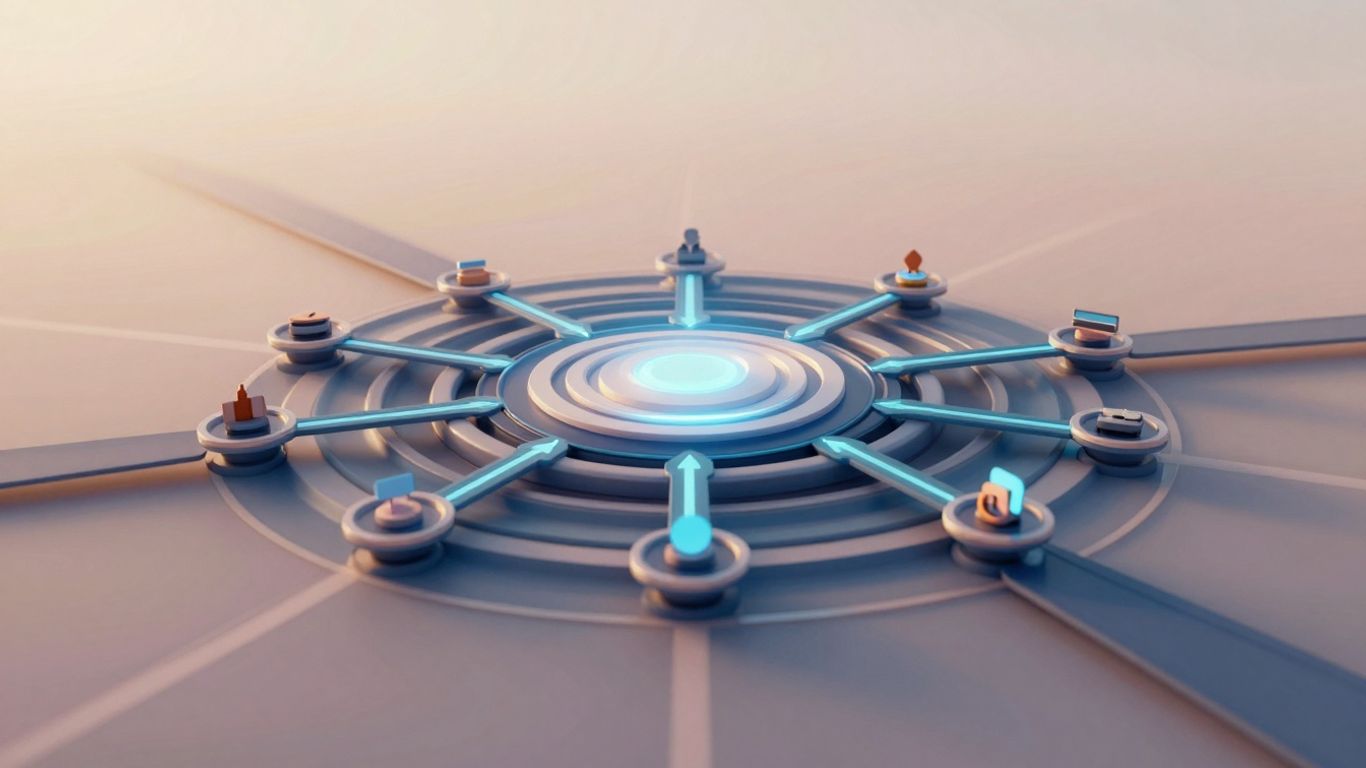
Your website is way more than just a place to list products. It's your brand's main stage, the place where customers get to know you, and honestly, it's often the deciding factor in whether they stick around or bounce. A clunky, confusing site? That's a fast track to losing people. But a site that's built with the customer in mind, that feels intuitive and helpful? That's how you start building something real.
Tailoring Content to Past Purchases
Think about it: when you go back to a store, you don't want to see the same generic ads you saw last time, right? Your website should be smart enough to remember what people have liked or bought before. This isn't about being creepy; it's about being relevant. Showing someone a new accessory that goes perfectly with the shoes they just bought, or suggesting a related book based on their last read, makes them feel understood. It shows you're paying attention and that you care about their individual needs, not just making a quick sale. This kind of personalized touch is a big step towards making them feel like a valued individual, not just another number in your sales report. It’s about making their return visit feel like a conversation, not just a transaction.
Leveraging Stock Alerts for Targeted Engagement
Sometimes, the perfect item is just out of stock. Instead of letting that potential sale walk away, use stock alerts. This is a simple but effective way to keep customers engaged. When an item they were interested in is back, you send them a notification. It's a direct line to someone who has already shown interest. This isn't just about selling a product; it's about fulfilling a need they already expressed. It’s a proactive way to re-engage customers and bring them back to your site when they're ready to buy. You can even use this data to see which products are in high demand, helping you manage your inventory better. It's a win-win.
Transforming Your Brand into a Trusted Partner
People don't just buy products; they buy into brands they trust. Your website is where that trust is built or broken. This means being transparent about everything – shipping times, return policies, product origins. It means having clear, easy-to-find contact information. It also means providing helpful content that goes beyond just selling. Think blog posts with tips related to your products, or guides on how to use them. When your website acts as a resource, not just a storefront, you start to build a relationship. Customers begin to see you as a helpful guide, a partner in their journey, rather than just another vendor. This shift is huge for long-term loyalty. It’s about creating a space where customers feel confident and supported.
Building a website that customers return to isn't about flashy design; it's about thoughtful functionality and genuine helpfulness. Every element should work towards making the customer's experience easier and more pleasant. When you prioritize their needs, they'll prioritize you.
Here are some ways to make your site a place people want to come back to:
- Clear Navigation: Make it super easy for people to find what they're looking for. Use simple categories and a search bar that actually works. Nobody has time to hunt for products.
- Detailed Product Info: High-quality images are a must, but also include thorough descriptions, specs, and maybe even videos. Answer all their questions before they even have to ask.
- Easy Checkout: This is where so many sales get lost. Minimize steps, offer guest checkout, and make it obvious what's happening at each stage. A smooth checkout feels like a win for the customer.
- Mobile Responsiveness: Most people shop on their phones. If your site isn't perfect on a small screen, you're losing a massive chunk of potential business. Check out mobile-first design principles to get started.
- Trust Signals: Display security badges, customer reviews, and clear return policies. These small things add up to a lot of confidence for the buyer.
Implementing Effective Loyalty Program Mechanics
So, you've decided to build a loyalty program. That's a big step! But just having a program isn't enough. You need to make sure the mechanics, the actual nuts and bolts of how it works, are designed to get people excited and keep them coming back. It’s not just about giving away discounts; it’s about making your customers feel special and part of something.
The Psychology of Rewards: Beyond Simple Discounts
Let's get real for a second. A lot of businesses think loyalty is just about offering a percentage off. While a discount is nice, it's often forgettable. It doesn't really build that deep connection that makes someone a true fan of your brand. The real trick is to tap into what makes a reward feel meaningful. You want your customers to feel noticed, appreciated, and like they're in on a secret.
Think about rewards that offer more than just saving money. These can make your customers feel like they're part of an exclusive group. What kind of rewards work best?
- Early Access: Let your members get a 24-hour head start on new products or big sales. This costs you nothing extra but makes people feel like VIPs.
- Exclusive Products: Create a few special items or unique colors that only your loyalty members can buy. This really drives home their special status.
- Experiential Rewards: Offer something unique that can't be bought. Maybe it's a quick virtual chat with the founder or an invite to a members-only online event.
These kinds of rewards build a stronger bond because they're harder for competitors to just copy. It's about creating an experience, not just a transaction.
Gamification: Making Engagement Interactive
Another smart move is to add game-like elements to your program. This makes participating feel less like a chore and more like fun. It's a technique that lots of companies use to get people more involved. Instead of just giving points for buying things, you can reward customers for other actions that help your business grow. For example:
- Leaving a product review: 50 points
- Following your brand on social media: 25 points
- Referring a friend who makes a purchase: 100 points
This approach encourages customers to interact with your brand in multiple ways, not just through purchases. It builds a more active community around your business. You can even explore different mobile loyalty app features that top brands use to make their programs engaging.
Exclusive Products and Early Access
This ties back to making customers feel special. Offering exclusive products or early access to sales and new arrivals is a powerful way to reward loyalty. It creates a sense of urgency and desirability. When customers know they can get something before anyone else, or that a special item is reserved just for them, it significantly increases their perceived value of being part of your program. This strategy doesn't just drive immediate sales; it cultivates a deeper emotional connection and reinforces the idea that loyalty is genuinely recognized and rewarded.
Measuring Success and Proving ROI
So, you've put in the work to build a website that encourages repeat business. That's awesome! But how do you know if it's actually paying off? It's easy to get caught up in the day-to-day, but you really need to look at the numbers to see what's working and what's not. Gut feelings are nice, but data tells the real story, especially when you need to show your boss or investors that your efforts are worth the investment.
Key Metrics for Gauging Customer Loyalty
To really understand if your loyalty efforts are hitting the mark, you need to keep an eye on a few specific numbers. These aren't just random stats; they paint a clear picture of how your customers feel about your brand and how likely they are to stick around.
- Customer Lifetime Value (CLV): This is the big one. It's basically a prediction of how much money a single customer will spend with you from the moment they first buy something until they stop being a customer. If your CLV is going up, it's a strong sign that people are staying with you longer and spending more over time.
- Customer Churn Rate: This tells you the percentage of customers who stop doing business with you over a set period. A high churn rate is a warning sign. You want this number to be as low as possible because keeping existing customers is usually way cheaper than finding new ones.
- Net Promoter Score (NPS): You've probably seen this survey question: "How likely are you to recommend us to a friend or colleague?" It’s a simple way to gauge overall customer satisfaction and how likely people are to become brand advocates. A good NPS means people are happy and talking positively about you.
Tracking these core metrics helps you understand if your customers are sticking around, spending more, and becoming fans of your brand. It’s about seeing the real impact of your work.
Customer Lifetime Value: The Ultimate Loyalty Indicator
When we talk about loyalty, CLV is the gold standard. It’s not just about a single purchase; it’s about the entire relationship. A rising CLV means your strategies for keeping customers happy and engaged are working. It shows that customers aren't just buying once; they're coming back, and perhaps even spending more on each subsequent visit. This is where you can really see the long-term value of building those connections. For instance, if you're tailoring content based on past purchases, as discussed in designing your website, you're likely increasing the chances of repeat business and thus, CLV.
Understanding Customer Churn Rate
On the flip side, a high churn rate is a major red flag. It means customers are leaving, and you need to figure out why. Is it your product? Your service? Or maybe your website experience isn't keeping them engaged? Reducing churn is often more cost-effective than acquiring new customers. Think about it: if you can keep 100 customers who were about to leave, that's 100 new customers you don't have to spend money finding. Analyzing why customers leave can give you direct insights into areas needing improvement, helping you refine your customer engagement strategies.
Calculating the return on investment (ROI) for your loyalty program is key to proving its worth. You can look at the difference between the profit generated by loyalty program members and the cost of running the program itself. For example, comparing the average spending of loyalty members versus non-members can show a clear financial benefit. If members spend 20% more annually, that's a powerful data point that justifies the program's existence and budget.
Addressing Common Loyalty Program Pitfalls
So, you've put a lot of thought into your loyalty program, but it's just not taking off like you hoped. Don't sweat it; this happens more often than you'd think. Most of the time, the issues aren't some deep, complex problem. Usually, it boils down to a few common mistakes that are actually pretty fixable. The key is to identify the snag and adjust your approach.
When Customers Aren't Engaging: Diagnosis and Solutions
If people aren't signing up or using your program, it's usually for one of three main reasons. First, they might not even know it exists. You can't just put a link in your website's footer and expect people to find it. You need to make it visible – mention it on your homepage, in your order confirmation emails, and definitely on social media. Second, the program might be too complicated. If it takes more than a few seconds to understand how to earn points or what rewards are available, people will tune out. Keep the rules simple and the path to rewards clear.
Finally, and this is a big one, the rewards themselves might not be exciting enough. A tiny discount might not be worth the effort for most customers. Think about what your customers actually want. Maybe it's early access to new products, free shipping, or exclusive content. Asking your best customers directly through surveys can give you some great ideas.
Here’s a quick checklist to help you figure out what’s wrong:
- Promotion: Are you actively telling people about the program?
- Simplicity: Is it easy to understand the earning and redemption process?
- Value: Are the rewards something your customers genuinely desire?
Ensuring Program Simplicity and Clarity
Complexity is the enemy of engagement. When designing your loyalty program, always ask yourself: "Is this easy to get?" This applies to everything from how customers sign up to how they track their progress and redeem their rewards. Imagine a customer seeing your program for the first time. Can they grasp the basic concept in under 10 seconds? If not, it's too complicated. This means clear language, straightforward mechanics, and an easy-to-find section on your website explaining everything. A confusing program is a program that gets ignored, no matter how good the potential rewards are. We want customers to feel smart, not confused, when interacting with our brand.
The Value of Desired Rewards
Let's talk about rewards. A loyalty program is only as good as the prizes it offers. If you're giving out rewards that nobody really wants, you're wasting your time and money. Generic discounts can feel a bit stale. Consider what truly motivates your customer base. For some, it might be exclusive access to new items before anyone else. For others, it could be a higher tier of service, like expedited shipping or dedicated customer support. The best way to find out is to ask. Survey your most loyal customers and see what they'd be most excited about. You might find that a small, exclusive perk is far more appealing than a standard discount. Remember, the goal is to make customers feel appreciated and special, and the rewards are a direct reflection of that sentiment. Building a strong online presence means understanding user needs and aligning your program with those desires.
Building Loyalty Without a Formal Program
Sometimes, the most powerful way to keep customers coming back isn't through a points system or a tiered membership. It's about building something deeper, something that makes people feel connected to your brand. Think about it: when you really like a shop or a service, it's usually not just because they gave you a discount once. It's because they make you feel good, understood, and valued.
The Power of Trust and Emotional Connection
At its core, loyalty is built on trust. When customers trust you to consistently provide good products and honest service, they're more likely to stick around. This trust isn't built overnight; it's earned through every interaction. Being transparent about your business practices, admitting when you make a mistake, and always following through on your promises are key. This builds a strong emotional bond that's hard for competitors to break. It’s about creating a relationship where the customer feels like they’re more than just a number.
Creating a Sense of Community and Belonging
People want to feel like they're part of something. You can create this sense of community online by encouraging interaction. Think about forums on your website, active social media groups where customers can chat with each other, or even just responding thoughtfully to comments and reviews. When customers see others like them engaging with your brand and sharing their experiences, it makes them feel more connected and invested. It’s like being part of a club where everyone shares a common interest.
- Encourage user-generated content: Ask customers to share photos or stories of them using your products.
- Host Q&A sessions: Have your team answer customer questions live on social media or via email.
- Create exclusive online spaces: A private Facebook group or a dedicated forum can make customers feel special.
Delivering Exceptional Customer Experiences
This might sound obvious, but it's the bedrock of everything. Every single touchpoint a customer has with your brand matters. From the ease of navigating your website to the speed of your customer support, and even how your product is packaged – it all adds up. When you consistently provide a smooth, positive, and helpful experience, customers remember it. They feel taken care of, and that's a powerful motivator to return. An outstanding experience is often the most memorable reward of all.
The goal is to make every customer feel like your most important customer. This means paying attention to the little things, anticipating needs, and always striving to exceed expectations. It's about making them feel seen and appreciated, not just for their money, but for their choice to engage with you.
You don't need a fancy program to keep customers coming back. Simple, honest service and making sure their needs are met can build strong connections. Focus on being helpful and reliable, and your customers will feel valued. Want to learn more about building great customer relationships? Visit our website today!
Keep Them Coming Back
So, we've talked a lot about how to get people to stick around. It's not just about slapping a discount code on things. You really need to think about making your customers feel like they're part of something special. When you focus on giving them real value, building trust, and making them feel appreciated, they'll naturally want to come back. Forget just chasing the next sale; aim to build a relationship that lasts. That's how you build a business that people genuinely love and keep coming back to, time after time.
Frequently Asked Questions
What is a loyalty loop and why is it important for my website?
A loyalty loop is like a cycle that keeps customers coming back to your business. It's more than just making a sale; it's about building a real connection so they choose you again and again. This is super important because it helps your business grow steadily and keeps customers happy, rather than just getting one-time buyers.
How can my website design encourage customers to return?
You can make your website more inviting by showing customers things they might like based on what they've bought before. Also, sending alerts when a product they wanted is back in stock can bring them back. Think of your brand as a helpful friend, not just a store, and offer useful tips and support.
Are simple discounts enough to keep customers loyal?
Just offering discounts isn't usually enough for true loyalty. While a discount might get someone to buy once, it doesn't build a strong connection. Customers might just wait for the next sale or go to a competitor if they offer a better deal. Real loyalty comes from feeling valued and connected to your brand.
What makes a good loyalty program, besides just points?
Great loyalty programs go beyond simple discounts. Think about making customers feel special with things like early access to new products, special items only for members, or even fun challenges and games. The goal is to make them feel like they're part of a special club, not just earning points.
How do I know if my loyalty efforts are actually working?
You need to look at numbers that show if customers are sticking around and spending more over time, like their 'lifetime value.' Also, watch out for how many customers you're losing (that's 'churn rate'). These numbers tell you if your strategies are really building loyalty and making your business stronger.
Can I build customer loyalty even without a fancy program?
Yes, absolutely! You can build strong loyalty by focusing on trust and making customers feel good. This means providing amazing service every time, creating a sense of community where customers feel they belong, and simply making every interaction a positive one. These things can be even more powerful than a points system.


Comments
Post a Comment