Mobile Experience: Why It's Now the Primary Way Users Interact with Your Website
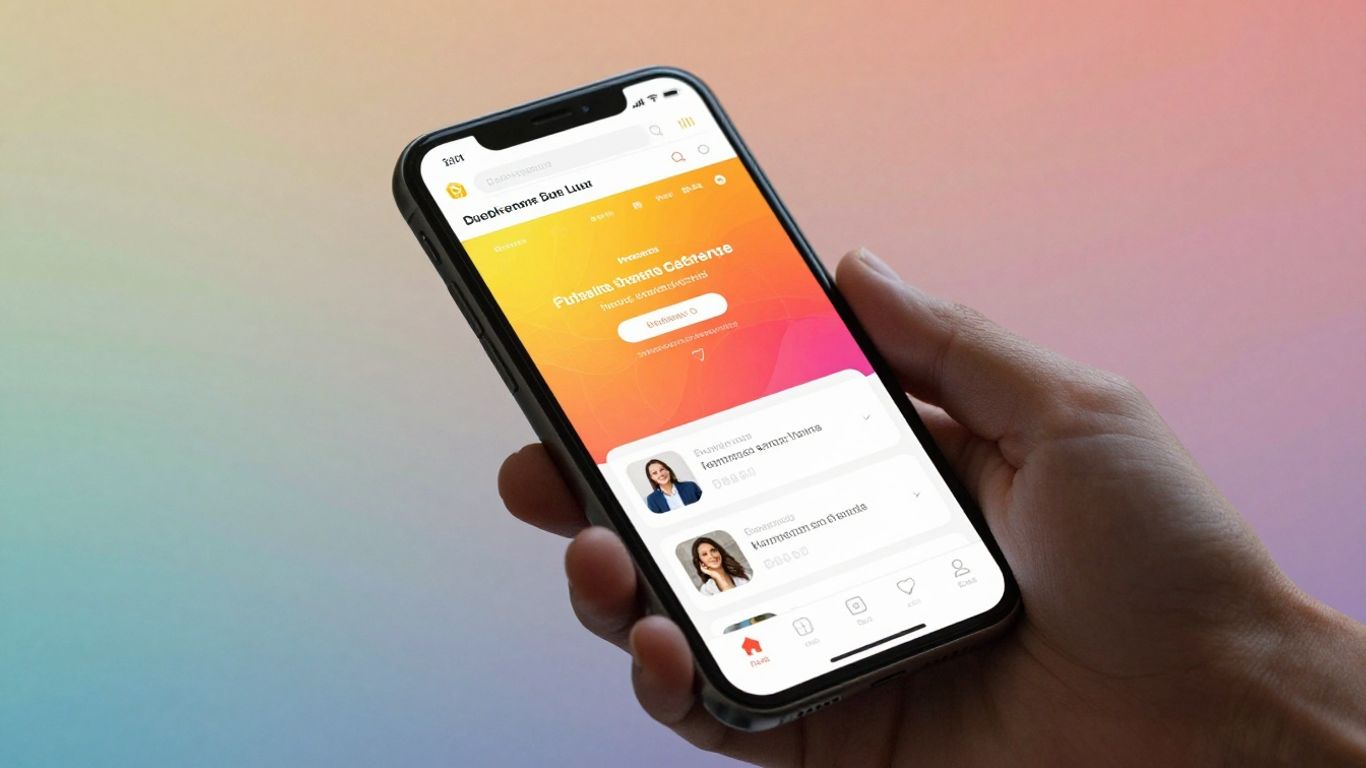
It's no longer a question of if your website needs to perform well on mobile, but rather how well. With the majority of internet users now accessing sites through their smartphones, the mobile experience has become the primary way people interact with your brand online. This shift means that a clunky, slow, or difficult-to-use mobile site isn't just a minor inconvenience; it's a major roadblock to reaching your audience, impacting everything from search engine rankings to sales.
Key Takeaways
- Mobile devices now account for over 60% of all web traffic, making the mobile experience the default expectation for users.
- Google's mobile-first indexing means your site's mobile version is what determines its search engine ranking.
- Users form instant opinions based on mobile performance; a poor experience can drive them away permanently.
- A strong mobile experience directly boosts conversion rates, especially in the rapidly growing area of mobile commerce.
- Prioritizing mobile-first design is crucial for staying competitive and future-proofing your digital presence.
The Mobile Majority Dominates Web Traffic
Mobile Devices Now Generate Over 60% of All Web Traffic
It’s pretty clear now: most people are using their phones to get online. We're not talking about a small percentage anymore; mobile devices are responsible for well over 60% of all internet traffic. This isn't some future trend; it's the reality we're living in today. What used to be called "mobile optimization" is now just the standard expectation. People don't really think about whether a site is "mobile-friendly" – they just expect it to work perfectly on their phone, period. It’s like expecting a door to open when you push it; it’s just what you anticipate.
This shift means mobile isn't just another way to reach people; it's the main way. Whether folks are looking for information, shopping around, or making decisions, they're doing it on their phones. If your website isn't built with mobile users in mind, you're essentially putting up a barrier for the majority of your potential visitors. It’s a big deal for sustainable web marketing because it means focusing efforts where the audience actually is.
Mobile Optimization Is Now The Default Expectation
Remember when having a separate "mobile version" of your website was a big deal? Those days are pretty much over. Today, users expect every website to look and work great on their smartphones without any extra effort on their part. They’re not looking for a special mobile site; they’re looking for the site, and they want it to be easy to use on their phone. This means responsive design, where the layout adjusts automatically to fit any screen size, is no longer a nice-to-have; it's the baseline.
Think about it: when you’re on your phone, you’re often on the go, maybe juggling other things. You don’t have the patience for tiny buttons, text that’s too small to read, or menus that are a pain to tap. If a site is difficult to interact with – maybe you keep accidentally hitting the wrong link or can’t fill out a form – you’re probably just going to leave. It’s that simple.
Users have very little patience for websites that don't work well on their phones. If it's frustrating, they're gone.
Critical Statistics: User Behavior and Mobile Site Design
Some numbers really drive this point home. For instance, studies show that a significant number of users – around 57% – will actually recommend against a business if its mobile site is poorly designed. That’s a huge negative impact. And if that wasn’t enough, about 61% of people say they won’t return to a website they had trouble accessing on their phone. That’s a lot of lost opportunities.
Here’s a quick look at what users expect:
- Speed: Websites need to load fast. Like, really fast. Even a few extra seconds can make people click away.
- Usability: Buttons and links should be easy to tap with a finger. No more squinting or accidentally hitting the wrong thing.
- Readability: Text should be clear and easy to read without zooming in constantly.
These aren't minor details; they directly affect whether someone stays on your site or bounces off to a competitor's.
Google's Mobile-First Indexing Revolutionizes Search
Search Engine Ranking Now Predominantly Uses Mobile Versions
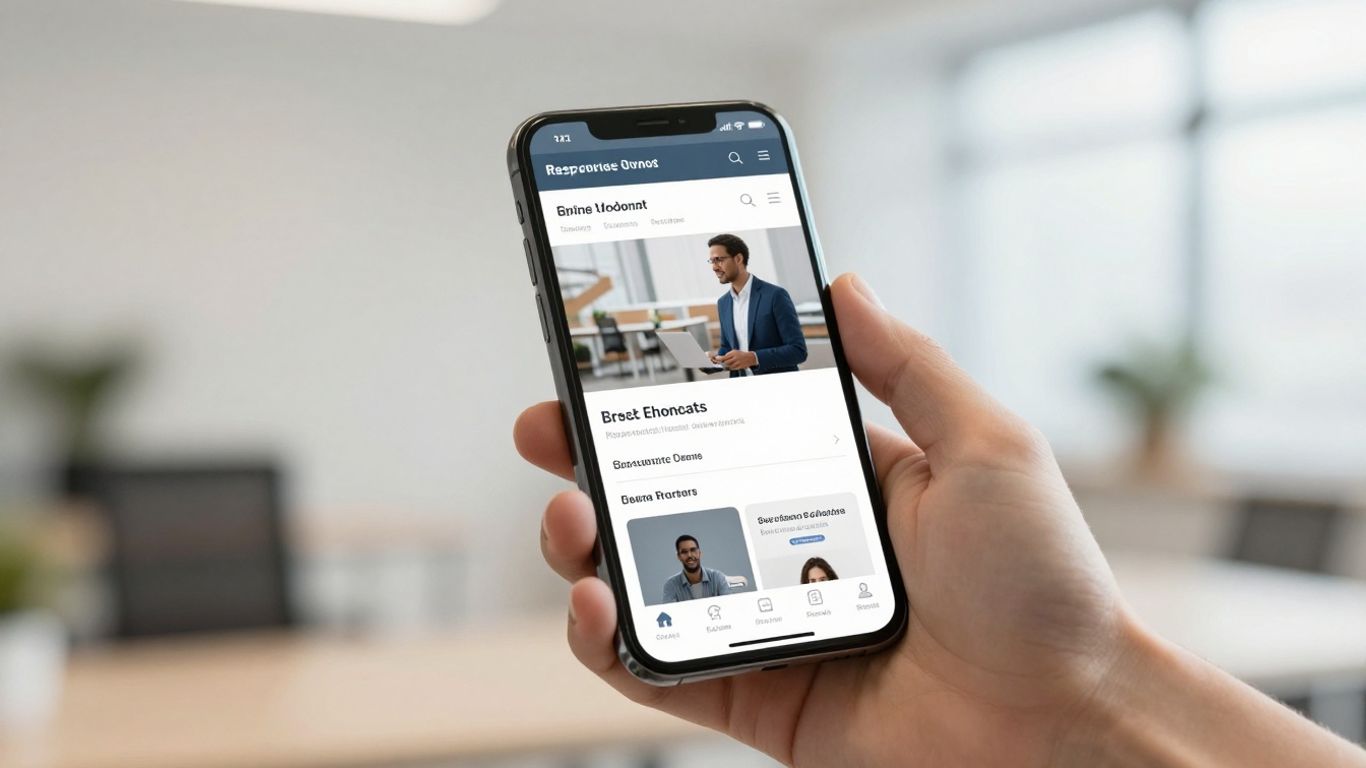
Okay, so Google made a pretty big change a while back, and it's a game-changer for how your website gets found. They switched to what's called "mobile-first indexing." What does that even mean? Basically, Google now looks at the mobile version of your website first when it decides where to rank you in search results. It doesn't matter if your desktop site looks like a million bucks; if the mobile version is a mess, your search ranking is going to take a hit. It’s like showing up to a job interview with a perfect resume but a terrible handshake – the first impression really matters.
Poor Mobile Experience Directly Impacts Search Rankings
This isn't just some minor tweak; it's a pretty direct link. If people land on your site from a search and it's slow, hard to read, or just plain doesn't work right on their phone, they're going to bounce. Google notices this. They have these things called Core Web Vitals – metrics that measure how users actually experience your page. We're talking about how fast your main content shows up (LCP), how quickly your site responds when someone clicks something (INP), and how much the page jumps around while it's loading (CLS). If these scores are bad on mobile, Google sees that as a big red flag. It tells them your site isn't giving users a good experience, and guess what? They'll push you further down the search results. It’s a tough pill to swallow, but it’s the reality.
Mobile-First Design Is Foundational for SEO Success
So, what's the takeaway here? You can't just tack on mobile optimization as an afterthought anymore. It needs to be the starting point. Building your website with mobile users in mind from the very beginning isn't just good practice; it's pretty much a requirement if you want to rank well. Think of it like building a house: you wouldn't start with the fancy wallpaper before you've even laid the foundation, right? Mobile-first design means focusing on speed, easy navigation, and clear content for smaller screens first. Then, you scale up for desktops. This approach makes sure your site performs well where most people are actually looking at it, which, in turn, tells Google your site is worth showing to more people. It’s a win-win, really.
Building a website today without prioritizing the mobile experience is like opening a shop but only putting up a sign on a back alley. You're missing out on the main street traffic, and that's where the real customers are.
Evolving User Expectations Demand Mobile Excellence
People today have really gotten used to things working well on their phones. After years of using slick apps and websites that just work on a smartphone, they expect the same from every site they visit. This means your website needs to load fast, be easy to get around, and have text you can actually read without squinting or pinching. If it's clunky or slow, users just assume your business is behind the times.
Users make snap judgments based on their mobile experience. If they can't easily tap a button or find what they're looking for, they might think your company isn't very professional. It's a tough reality, but a bad mobile site can actually hurt your brand more than having no site at all.
Users Expect Flawless Performance on Smartphones
It's not enough for a mobile site to just exist. Users expect a smooth, responsive experience. This includes:
- Quick Load Times: Pages should pop up almost instantly. Nobody waits around for slow-loading sites.
- Easy-to-Tap Buttons: Links and buttons need to be big enough for a finger, not a tiny mouse cursor.
- Readable Text: Font sizes should be comfortable to read without zooming in.
- Simple Navigation: Menus should be straightforward and help users find information quickly.
Instant Judgments Based on Mobile Experience
Think about it: when you land on a mobile site that's a mess, what's your first thought? Probably that the business doesn't care much about its online presence. This quick impression can be hard to overcome. If your mobile site feels broken, users might just leave and go to a competitor who has their act together.
A poor mobile experience sends a strong signal to potential customers that your business might be outdated or not customer-focused. This perception can directly impact their decision to engage with you further.
Essential Elements of Mobile User Experience
To meet these expectations, focus on these key areas:
- Optimized Images: Compress images so they don't slow down loading.
- Clear Call-to-Actions: Make it obvious what you want users to do next (e.g., 'Call Now', 'Shop Now').
- Mobile-Friendly Forms: Keep forms short and easy to fill out on a small screen.
- Accessible Contact Info: Make your phone number and address easy to find, often at the top of the page.
Mobile Experience Drives Conversion Rates
It’s pretty simple, really. If your website is a pain to use on a phone, people aren't going to stick around to buy anything. We've all been there, right? Trying to tap a tiny button, or scrolling endlessly to find what you need. It’s frustrating. And when users get frustrated, they leave. They don't just leave your site; they often leave your brand behind too.
The Conversion Gap Between Optimized and Non-Optimized Sites
This is where things get really stark. Websites that aren't built with mobile users in mind can see conversion rates that are dramatically lower than their desktop counterparts. We're talking about potentially losing two-thirds of your mobile customers just because the experience isn't smooth. Think about it: if over half your traffic is coming from phones, and a bad mobile site means they don't convert, that's a huge chunk of potential sales just walking away.
Mobile Commerce Explosion and Its Impact
Online shopping on phones, or m-commerce, isn't new anymore, but it's still growing like crazy. People are buying everything from groceries to electronics, all from their phones. The old worries about security or difficulty have mostly faded, thanks to better technology and more user-friendly platforms. If you sell anything online, you absolutely have to make sure buying on a phone is easy. It’s not an option; it’s how people shop now.
Frictionless Mobile Checkout Is Crucial for Sales
This is the make-or-break moment. Even if someone gets all the way to the checkout page on their phone, a clunky process can still kill the sale. Imagine trying to type in credit card details on a tiny screen, or dealing with forms that don't work right. It’s a recipe for abandoned carts. Making the checkout process as simple as possible, with things like one-tap payment options and minimal required fields, is key to actually getting paid.
- Minimize form fields: Only ask for what you absolutely need.
- Use mobile-friendly inputs: Like numeric keyboards for phone numbers.
- Offer quick payment options: Think Apple Pay or Google Pay.
- Clear Call-to-Actions (CTAs): Make buttons big and easy to tap.
The difference between a smooth, one-page checkout and a multi-step, confusing one on mobile can be the difference between a sale and a lost customer. Every extra click or bit of typing increases the chance someone will just give up.
Here's a look at how different mobile experiences can affect outcomes:
| Website Type | Typical Conversion Rate | Potential Lost Revenue (Example) |
|---|---|---|
| Highly Optimized | 2.5% - 4.0% | N/A |
| Moderately Optimized | 1.0% - 2.0% | Significant |
| Poorly Optimized | 0.5% - 1.0% | Massive |
Competitors Are Winning on Mobile Experience
It's pretty clear by now that if you're not thinking mobile-first, you're already behind. Your competitors, the ones who are actually seeing growth, they get it. They understand that the digital battlefield is now primarily fought on small screens. A decent product with a slick mobile experience will consistently beat a better product that's a pain to use on a phone. It’s that simple.
Mobile Experience Is The New Competitive Battlefield
Think about it. When people are looking for something, anything, they pull out their phones. They're not waiting to get back to a desktop computer. This means the first impression, the entire interaction, often happens on a mobile device. If your site is slow, clunky, or just plain hard to use on a smartphone, people aren't going to stick around. They'll just tap back and find someone else. It's a constant race, and the finish line is a smooth, easy mobile experience.
Superior Mobile UX Outperforms Better Products
This might sound harsh, but it's true. A business with a slightly less amazing product but a fantastic mobile website will often win out over a business with a superior product that has a terrible mobile site. Why? Because users are impatient. They want information, they want to buy, they want to connect, and they want to do it now, without frustration. If your competitor's site is easy to navigate, loads quickly, and makes purchasing a breeze on their phone, guess where the customer is going to go?
The reality is, users make snap judgments based on their mobile experience. A slow-loading page or a confusing layout can lead them to believe your entire business operates with the same level of inefficiency. This perception, right or wrong, directly impacts their decision to engage further.
Competitors Understand The Importance of Mobile-First
Look around. The businesses that are doing well online are the ones that invested in their mobile presence early. They didn't just make their desktop site fit on a phone; they designed for the phone. This means:
- Fast load times: Nobody waits for a slow site, especially on mobile data.
- Easy navigation: Big buttons, clear menus, and simple ways to find what they need.
- Streamlined processes: Forms that are easy to fill out, and checkout that takes seconds, not minutes.
They're not just optimizing; they're building their entire online strategy around the mobile user. If you're still treating mobile as an afterthought, you're essentially handing customers over to the competition. For businesses focused on local customers, this is especially true, as most local searches happen on the go. Making sure your business information is easily accessible and your site loads quickly on mobile is key to capturing that local market share.
Future-Proofing Your Digital Presence With Mobile-First
Mobile Traffic Percentages Continue Their Irreversible Growth
Let's face it, the way people use the internet has fundamentally changed. It's not just a trend anymore; mobile devices are now the primary way most folks access websites. We're talking over 60% of all web traffic, and that number just keeps climbing. If your site isn't built with mobile as the top priority, you're essentially telling a huge chunk of your potential audience to go somewhere else. This isn't about making a desktop site look okay on a phone; it's about designing from the ground up for smaller screens and touch interactions. Businesses that embrace mobile-first now are setting themselves up for long-term success, while those stuck in the past are building their digital strategies on shaky ground.
Emerging Technologies Accelerate Mobile Adoption
Things aren't slowing down either. With advancements like 5G becoming more common, mobile devices are getting faster and more capable. This means users will expect even more from your website when they visit on their phones. They want quick load times, easy navigation, and a smooth experience, no matter what device they're using. Ignoring this shift means you'll likely fall behind competitors who are already investing in a top-notch mobile experience. It's about staying relevant in a world that's constantly moving towards mobile. Thinking about how your content is managed and delivered across these devices is key, and modern solutions like headless CMS platforms can really help with that flexibility across multiple channels.
Investing in Mobile-First Design for Long-Term Success
So, what does this all mean for your business? It means prioritizing mobile isn't just a good idea; it's a necessity for staying competitive and relevant. Building a website that works perfectly on a smartphone first, and then adapting it for larger screens, is the smart way to go. This approach forces you to focus on what truly matters: speed, clarity, and making things easy for the user. It's about creating an experience that keeps people engaged and encourages them to take action, whether that's making a purchase or signing up for a newsletter. Getting this right today means you won't have to scramble to catch up tomorrow.
The reality is, if your website isn't performing well on mobile, you're likely losing customers. People are impatient and have plenty of other options. A clunky mobile site means they'll just leave, probably for a competitor.
Here's a quick look at why this matters:
- User Expectations: People expect sites to work flawlessly on their phones. If it's slow or hard to use, they're gone.
- Search Engine Rankings: Google uses your mobile site to rank you. A bad mobile experience hurts your visibility.
- Conversion Rates: A smooth mobile experience directly leads to more sales and sign-ups.
- Competitive Edge: Your competitors are likely focusing on mobile. If you're not, you're falling behind.
Core Elements of A High-Performing Mobile Website
Lightning-Fast Load Times
Speed is king, especially on mobile. People are impatient; they want information now. If your pages take too long to load, they'll just leave. We're talking about seconds here, not minutes. Studies show that even a one-second delay can really hurt your conversion rates. So, how do you make things fast? Think about optimizing your images so they're smaller without looking bad, and clean up your website's code. Using a content delivery network can also help serve your content faster to users wherever they are. It's all about making that initial wait as short as possible.
Touch-Optimized Navigation
Let's face it, our thumbs aren't as precise as a mouse cursor. Mobile navigation needs to be designed with touch in mind. This means buttons and links should be big enough to tap easily without accidentally hitting something else. There should be enough space between these tappable areas. Simple menus, like the common hamburger icon, should be easy to open and close. Keeping important navigation elements visible, perhaps at the bottom of the screen, makes it much easier for users to get around your site without a lot of scrolling or searching.
Simplified Navigation and Clear Information Hierarchy
Beyond just touch targets, how you organize your content matters a lot. Mobile screens are small, so you can't just cram everything in. You need a clear structure that makes it obvious where to find things. Think about what users are most likely looking for and put that front and center. A well-organized site reduces frustration and helps users complete their tasks quickly. This is where good website maintenance practices come into play, ensuring your structure stays logical over time.
Users today make snap judgments based on their mobile experience. If your site is clunky or hard to use on a phone, they'll assume your business is out of touch. It's not just about looking good; it's about being functional and easy to interact with.
Want your website to work great on phones and tablets? We've got the secrets! Learn about the main things that make a mobile website super fast and easy to use. Ready to make your site awesome? Visit our website today to find out more!
Wrapping It Up
So, there you have it. It's pretty clear that thinking about your website's mobile experience isn't just a good idea anymore; it's the main event. Most people are on their phones these days, and if your site isn't easy and pleasant to use on a small screen, they're just going to leave. Google notices this too, and it affects how high you show up in search results. Basically, if you're not putting mobile first, you're probably missing out on a lot of potential customers and looking a bit behind the times. It’s time to make sure your site works great on phones, or you risk getting left behind.
Frequently Asked Questions
Why is mobile the most important way people use websites now?
Most people today use their phones to go online. Think about it – you probably use your phone more than a computer for searching, shopping, or just browsing. Since over 60% of internet traffic comes from phones, making your website work great on a small screen is super important.
How does Google decide where my website shows up in search results?
Google now looks mostly at the mobile version of your website to decide how to rank it. This means if your site is hard to use on a phone, Google might show it lower in search results, even if it looks good on a computer. So, a good mobile experience helps people find you.
What do people expect when they visit a website on their phone?
People expect websites to work perfectly on their phones. They want things to load fast, be easy to read without zooming, and have buttons they can tap easily. If a website is difficult to use on a phone, people often think the business is outdated or not very good.
Can a good mobile website help me sell more things?
Yes, definitely! When your website is easy to use on a phone, people are more likely to buy things or do what you want them to do, like signing up for something. If shopping or finding information is tricky on their phone, they'll likely leave and go somewhere else.
Are other businesses doing a better job on mobile than mine?
It's very possible. Many businesses know how important mobile is and are focusing on making their mobile websites awesome. If your website isn't as good on mobile as your competitors', you could be losing customers to them, even if your product or service is better.
What are the most important things for a good mobile website?
The most important things are making sure your website loads super fast, has easy-to-use buttons and menus for tapping with your finger, and presents information in a clear, simple way. Think speed, easy navigation, and clear content.


Comments
Post a Comment