How 2026 Businesses Use Web Marketing to Maximize Website Traffic
Key Takeaways
Modern digital marketing requires a multi-faceted approach to attract and convert high-quality traffic in 2026. These five pillars guide effective strategy implementation.
- Prioritizing user intent through speed and design consistency.
- Utilizing AI-driven personalization to increase visitor retention.
- Integrating video content to strengthen brand authority.
- Applying data-backed strategies to content distribution models.
- Synchronizing cross-channel efforts for consistent engagement.
High-conversion layouts and top website designs
Modern digital landscapes demand interfaces that prioritize user clarity while maintaining function. Achieving success today often involves adopting top website designs that unify brand identity with seamless performance. Businesses focus on clean, intuitive structures that guide potential customers toward conversions without unnecessary friction or excessive visual noise.
Minimalist aesthetic trends for modern users
Minimalism is less about emptiness and more about focusing the user eye on high-value calls to action. By stripping away extraneous decorative elements, designers create a focused experience that helps visitors find exactly what they need immediately upon landing on the page. This approach reduces cognitive load, allowing users to make decisions faster and stay focused on the business goals.
Mobile-first navigation structures for seamless browsing
Nearly every consumer interaction begins on a mobile device, necessitating navigation that accounts for limited touch screen real-estate. Developers implement collapsible menus and gesture-based interactions to ensure usability remains consistent across screen sizes. A well-built mobile structure prevents the frustration caused by desktop-only scaling, maintaining a professional brand perception regardless of the hardware the visitor uses.
Optimizing visual hierarchy to improve engagement
Visual hierarchy dictates how a user navigates a page and where their attention lands first. Designers use size, color contrast, and spacing to draw users toward buttons and conversion points that drive revenue.
| Feature | Mobile Impact | Desktop Benefit |
|---|---|---|
| Layout Grid | Flexible scaling | Consistent flow |
| Color Palette | Minimalist contrast | Brand depth |
| CTA Placement | Sticky bottoms | Sidebar focus |
Careful application of these structural choices ensures that visitors understand the page objective within seconds. When organizations work with a US Website Builder team, they gain access to structured workflows that standardize these hierarchy principles effectively.
Interactive design elements that boost bounce rate metrics
Interactive components give the user agency, turning a passive reading experience into an active dialogue with the content. Elements like hover effects, parallax scrolling, or micro-surveys encourage deeper exploration of internal pages. By lowering bounce rates through meaningful engagement, brands find it much easier to position their offerings to interested search audiences.
Integrating AI-driven personalization

Personalization is no longer just a technical luxury, as it is essential for meeting user expectations in an increasingly busy market. Businesses leverage AI to customize experiences that feel human and relevant to the specific visitor on the page. This transition from static to living content ensures that every interaction creates incremental value for both the user and the company.
Dynamic content recommendations based on user history
AI engines analyze past interactions to serve content that matches user preferences, shortening the journey from discovery to action. This automation allows brands to surface case studies or product details that speak directly to what a user has previously investigated. By tailoring what is shown, firms increase the probability of capturing leads when user interest is at its absolute peak.
Predictive behavior mapping to guide traffic flow
Predictive mapping tools identify common paths visitors take, allowing teams to clear obstructions in the user journey before they become bottlenecks. By analyzing aggregated patterns, companies can optimize site layouts to naturally funnel traffic toward high-conversion pages. This proactive stance on site architecture reduces accidental drop-offs and makes path optimization a permanent feature of their growth cycle.
Smart chat integration as an automated lead magnet
Automated communication tools handle the immediate queries of visitors who might otherwise leave the site due to curiosity or minor confusion. A well-placed chat interface can provide instant answers or direct users to resources that resolve their concerns. By maintaining this constant presence, businesses appear more responsive and approachable, building trust through rapid interaction.
Automated A/B testing frameworks for landing pages
Continuous optimization relies on the ability to test minor variables at scale without manual intervention. AI-driven frameworks automatically rotate different headlines, images, or layout configurations to determine which generates the highest conversion lift. This iterative improvement cycle means that the digital experience is always evolving to perform better, ensuring that marketing efforts consistently move the needle on key business outcomes.
Leveraging video marketing for deeper retention
Video transforms how a business speaks to customers, providing a rich, immersive medium that static text cannot replicate alone. By placing high-quality media at key touchpoints, companies significantly enhance the time visitors spend on their site. This increase in dwell time is often a critical factor in how search systems determine the relevance and authority of a domain.
Background video strategies to drive site interactivity
Background video should act as a visual narrative that sets the context without becoming a distraction to the reader. Subtle animations or loopable scenes can convey a sense of professionalism and forward-thinking dynamics that build immediate interest. Maintaining a balance between engagement and clarity is the secret to getting this element right for diverse audiences.
Strategic placement of short-form social media crossovers
Integrating social content into the main site layout bridges the gap between public social presence and private business domains. This specific placement strategy enhances user trust by showing real-world utility and engagement.
- Embedding Reels that demonstrate product functionality clearly.
- Using testimonial clips that showcase raw customer feedback.
- Adding quick tutorials to reduce support burden over time.
- Linking social proof to direct conversion-focused landing pages.
These elements encourage visitors to interact with the brand's personality, rather than just viewing a static directory of services.
Optimizing video load times to protect SEO rankings
Heavy media files are notorious for slowing down page speed, which is a major concern for retaining visitors. Developers manage this by using lazy loading or modern formats that maintain quality while drastically reducing the data footprint during initial load. Protecting the performance of the page is mandatory to ensure that the visual benefits do not conflict with the technical needs of organic reach.
Integrating direct calls to action within media players
Placing actionable buttons directly inside the video window allows users to act on their interest exactly when the content is most compelling. This frictionless transition from watching to purchasing or inquiring is a hallmark of modern conversion design. By removing extra steps, brands maximize the potential of every video view to generate meaningful business leads.
Data-backed content marketing strategies
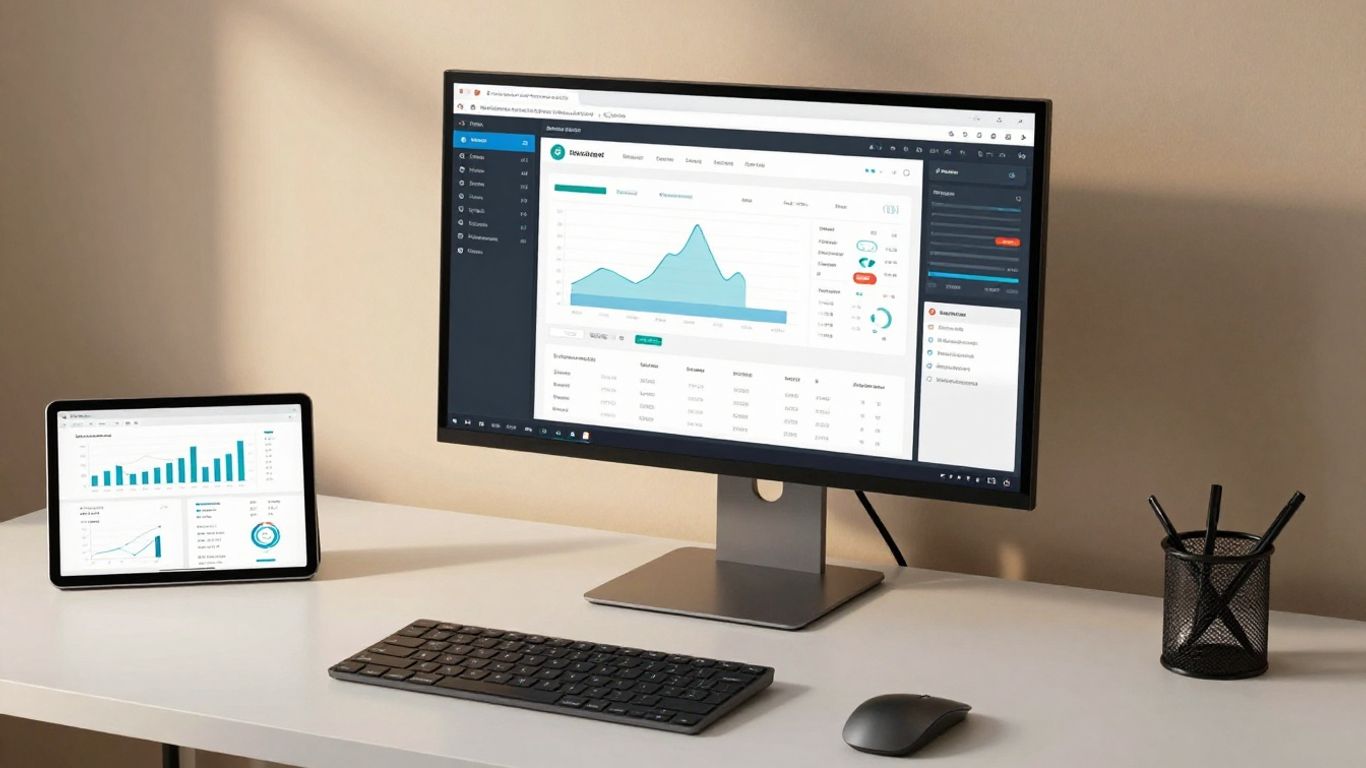
Data-backed marketing changes the focus from guessing to proving which assets drive real results. By using analytical insights to guide strategy, companies stay aligned with business goals rather than vanity metrics that don't increase revenue. This foundation allows for the flexible testing of new ideas while maintaining a steady pulse on what actually works for the target audience.
Balancing long-form and short-form content models
Strategic content planning requires a mix of detailed articles for authority and quick snippets for consumption. Deep-dive long-form pieces establish expertise, while shorter content ensures regular touchpoints with a wider range of potential leads. Using this balanced model helps maintain brand consistency across different stages of the funnel.
Prioritizing semantic search through robust topic clusters
Modern search is moving toward understanding how concepts relate to one another rather than just keyword matches. Building clusters of interconnected pages around specific themes signals deep knowledge to search engines. This approach helps companies capture broader intent, providing comprehensive answers that satisfy user questions on a variety of industry-relevant topics.
Using user-generated content to increase authority
Authentic voices from happy clients provide a level of social proof that generated marketing copy cannot match. Featuring stories, reviews, or project photos from existing customers builds deep trust with new visitors. This type of content validates claims that the business is reliable, turning past successes into the primary driver for future growth.
Formatting text for featured snippets and voice search
Structuring content so it is accessible for voice or visual snapshots is the secret to dominating modern search results. Using clear headers, concise summaries at the top of pages, and structured data helps the broader web understand and feature the information effectively. This makes it easier for potential customers to find the exact answer they need, reinforcing the brand as the primary authority.
Performance optimization as a primary traffic driver
High performance is the bedrock of any successful digital presence, directly affecting how users perceive the brand’s professionalism. Investing in website speed is a technical commitment that pays off in increased engagement and lower bounce rates across every device. A fast, responsive site demonstrates respect for the user's limited time and attention.
Prioritizing Core Web Vitals for search engine visibility
Core Web Vitals serve as the benchmark for a healthy site experience, measuring everything from load time to visual stability. By ensuring these metrics are within healthy parameters, sites can sustain higher organic rankings and attract more qualified traffic. Focusing on these pillars ensures that technical overhead never becomes a barrier to business scaling.
Reducing heavy scripts to improve page speed and performance
Over-reliance on third-party scripts can result in bloated sites that struggle with performance and security. Auditing these dependencies regularly allows developers to strip away unnecessary overhead, resulting in a cleaner and faster experience for the end user. Minimalism in the technical stack is just as important as in the visual design phase.
Enhancing accessibility standards to broaden audience reach
Accessibility is not merely a legal requirement; it is a way to ensure that every potential customer can interact with the brand. Implementing features like screen reader support and high-contrast text makes the site usable for a larger demographic. This commitment naturally improves the quality of the visitor experience, broadening the overall brand appeal.
Utilizing server-side rendering for faster initial loads
Server-side rendering delivers pre-built static content to the browser, significantly cutting the time it takes for a user to see the first visual frame. This reduction leads to immediate trust and engagement, preventing the common early bounce that plagues slow-loading client-heavy applications. It is a foundational choice for any high-growth platform aiming to lead its sector.
Multi-channel traffic orchestration
Success in 2026 rarely comes from a single source; it is the result of coordinating multiple streams of attention. Orchestrating these channels effectively creates a cohesive brand footprint that meets users where they already spend their time. Consistency across these touchpoints builds recognition and reduces the conversion friction associated with new brands.
Synchronizing social media advertising with landing pages
Unified messaging between advertisement creative and page content ensures the user experience remains seamless after they click. When an ad promises a specific solution, the landing page must immediately validate that promise to maintain trust. This alignment is vital for ensuring that marketing spend results in qualified inquiries rather than wasted impressions.
Building email funnels to drive consistent repeat traffic
Direct contact through email allows companies to re-engage past visitors without relying solely on search engine fluctuations. Providing ongoing value through focused newsletters keeps the brand top of mind for potential buyers. This channel remains one of the most reliable for driving repeat visits and deepening the long-term relationship with a current audience.
Partnering with influencers to boost site domain authority
Influencers provide a conduit to established communities, allowing brands to benefit from the existing trust of a niche group. Strategic collaborations can introduce the site to a target audience more effectively than traditional ads, while also building high-quality backlinks. This organic growth contributes to better positioning and a higher ceiling for future SEO efforts.
Integrating affiliate marketing links within organic layouts
Affiliate links and partnership placements extend the brand's reach by incentivizing trusted third-party sites to refer their audience. When integrated thoughtfully into organic content, these links provide useful recommendations to users while creating an additional revenue stream. By managing these partnerships carefully, businesses maintain control over their image while scaling their presence across diverse online ecosystems.
Conclusion
Maximizing website traffic in 2026 involves more than just technical tweaks; it requires a blend of user-centric design, performance-focused engineering, and data-backed marketing. By aligning these areas, organizations build a sustainable and resilient presence that attracts visitors and encourages genuine connection. Constant iteration and a commitment to quality over quantity will ensure your business remains relevant and visible as the digital landscape shifts. Focusing on these core pillars creates a strong foundation for long-term growth and success in an increasingly crowded online environment.
Frequently Asked Questions
How often should a business update its website layout?
Updates are typically necessary every few years to keep pace with evolving device standards and user expectations. Regular incremental improvements are usually better for growth than large, infrequent redesigns.
Why does site performance impact SEO rankings?
Search engines prioritize satisfying the user intent, and speed is a significant factor in a positive experience. Fast-loading pages are recognized for their efficiency, which influences higher placements in results.
What role does personalization play in engagement?
Personalization tailors the site experience to the visitor, making them more likely to find relevant information quickly. This relevance increases interest and makes the user journey feel more attentive.
How can social proof improve conversion rates?
Evidence of satisfied customers builds credibility with strangers who may not yet trust the brand. Seeing real feedback helps remove doubt during the decision-making process.
Does video content actually increase site dwell time?
Yes, video content provides a richer format that requires more active attention from the user than text. Longer dwell times can signal deeper relevance to site visitors and search engines alike.
What is the advantage of using topic clusters for content?
Topic clusters help create a comprehensive view of a subject, making it easier for search engines to index the site as an expert. This structure also helps users navigate related concepts easily.
Can multi-channel marketing help with consistent traffic?
Yes, by diversifying reach across social media, email, and organic partners, businesses become less dependent on any single traffic stream. This balance creates a more stable inflow of visitors over time.


Comments
Post a Comment